
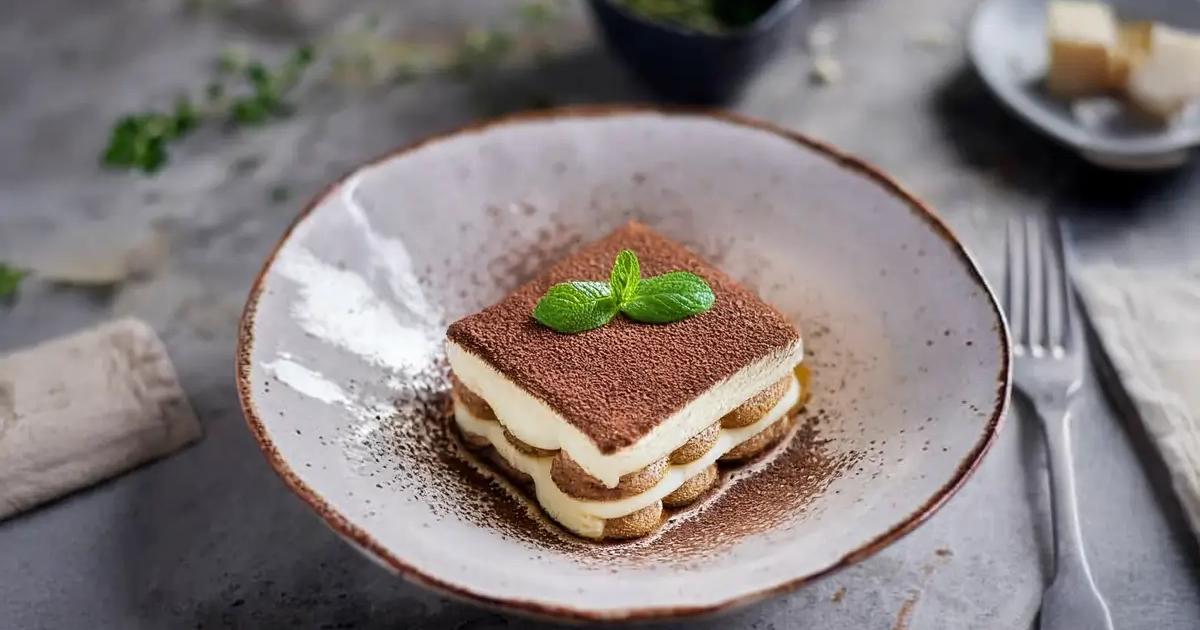
Italian desserts earn their reputation: rich flavors, precise textures, and centuries of tradition behind them. These are the five classics everyone should know, from the creamy layers of Tiramisu to the crisp shells of Cannoli, and the story behind each.
1. Tiramisu
Layers of coffee-soaked ladyfingers, mascarpone cream, and a dusting of cocoa. Tiramisu comes from the Veneto region in the 1960s; the name means "pick me up," a nod to its espresso and cocoa. The traditional version uses mascarpone, eggs, sugar, and Marsala wine. It spread quickly from Italian cafes to the whole world.
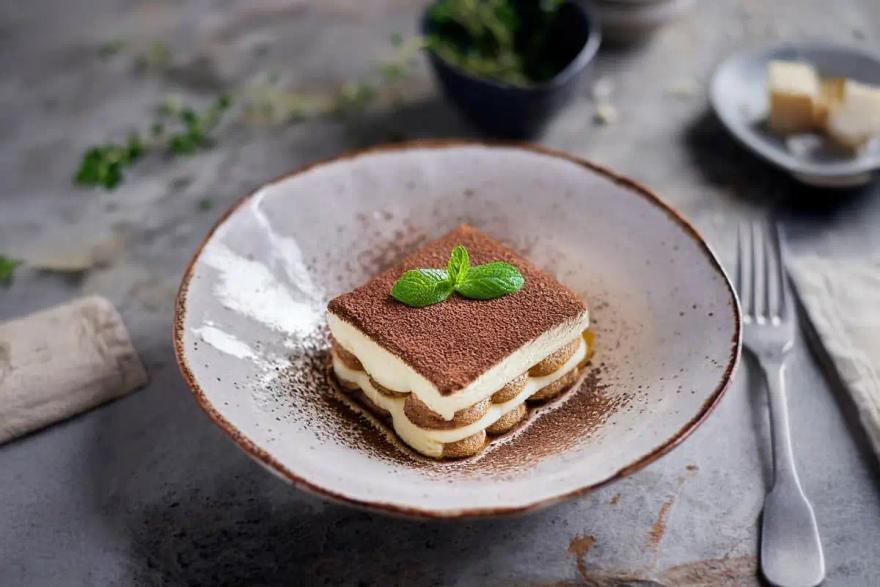
2. Cannoli
Crisp, tube-shaped Sicilian shells filled with sweet ricotta, often mixed with chocolate chips, candied fruit, or pistachios. The pastry is believed to date back to Sicily's Arab-Norman period; "cannoli" is the plural of "cannolo," meaning "little tube." The filling is traditionally sweetened with sugar and flavored with vanilla or citrus zest, and they are a fixture at festive occasions.
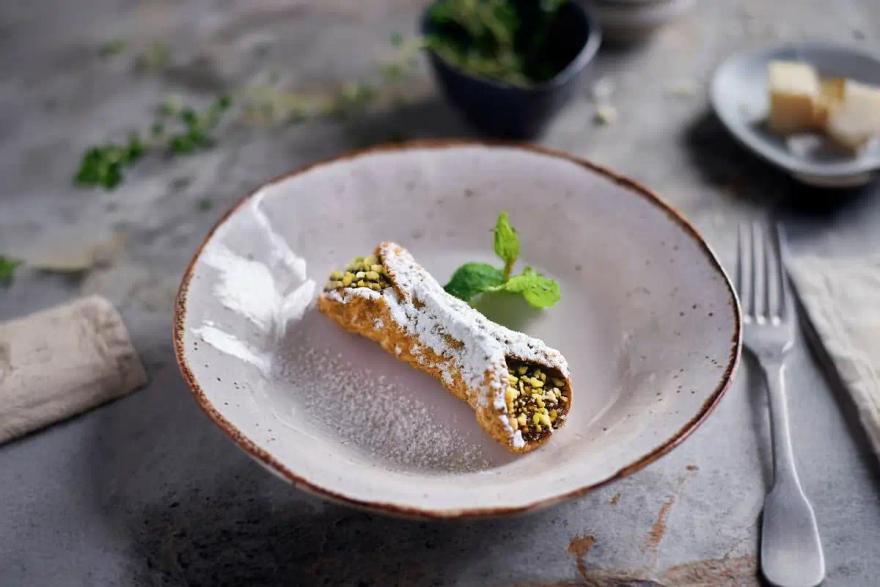
3. Panna Cotta
The name means "cooked cream": sweetened cream set with gelatin and molded into shape, usually served with fruit coulis, caramel, or chocolate sauce. It comes from the Piedmont region and needs only cream, sugar, and gelatin. Its neutral flavor takes almost any topping, from fresh berries to caramel, and it is as easy to make as it looks on the plate.
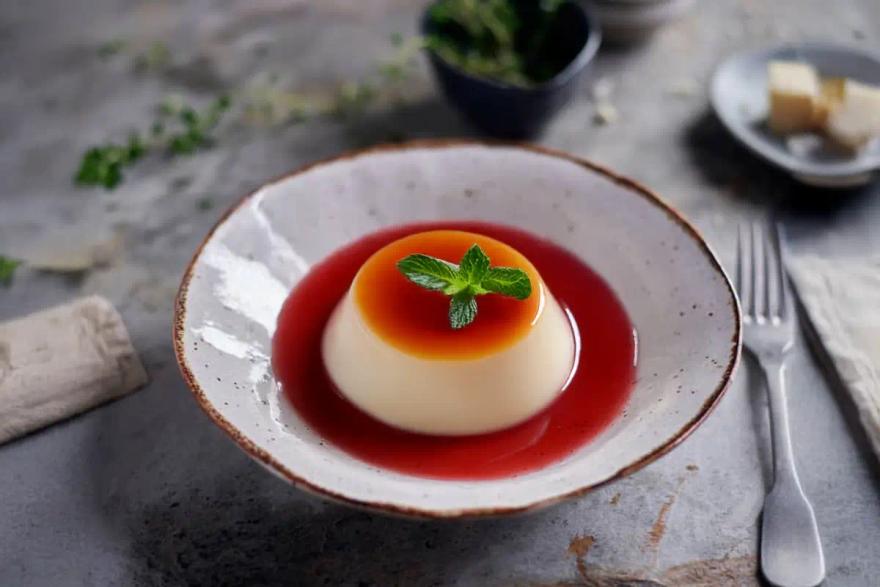
4. Gelato
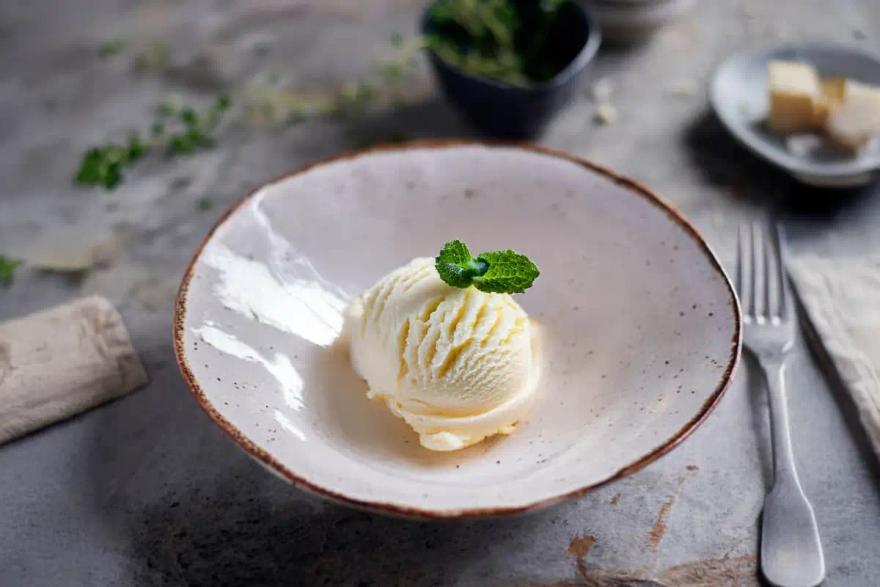
Italy's ice cream, denser and more intense than the regular kind. Gelato dates back to 16th century Florence. It is churned more slowly, so it takes in less air, and it is served slightly warmer, which sharpens the flavor. Classic flavors include stracciatella, pistachio, and hazelnut; modern shops add combinations like tiramisu and mango.
5. Sfogliatella
A flaky, layered pastry from Naples, also called "lobster tail," filled with sweet ricotta, semolina, sugar, and candied citrus peel. The name means "little leaf," after the thin, crisp layers folded into a shell-like shape. The dough is traditionally made by hand, and the pastry is a staple of Neapolitan bakeries, best with a cup of espresso.
Each of these five brings a different region and tradition to the table. Pick one and make it at home; none of them is out of reach.