
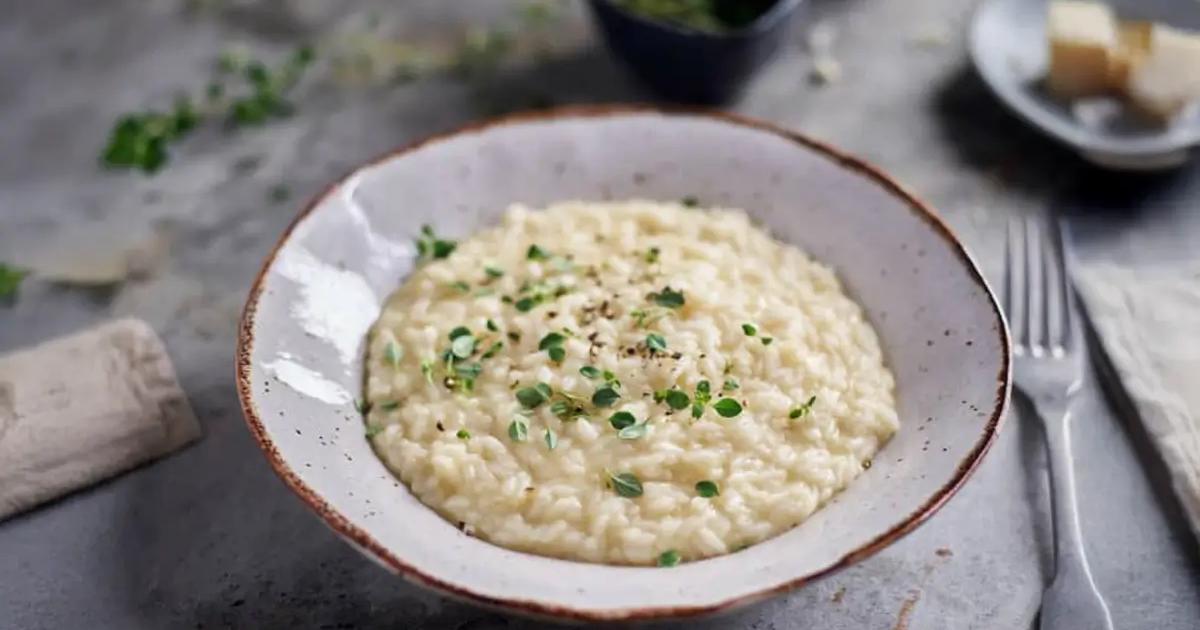
Every risotto is the same dish underneath: one base technique, different ingredients on top. This guide covers that technique, ten classic variations from Milanese to Barolo, and the tips that keep the rice creamy instead of gluey.
Essential Risotto Base Technique
Master this base and every variation below is just a change of ingredients.
Base Ingredients (serves 4):
- 320g Carnaroli or Vialone Nano rice
- 1 white onion, finely diced
- 60g butter, divided
- 60g Parmigiano Reggiano
- 120ml dry white wine
- 1.5L hot stock
- Salt and white pepper
Basic Method:
- Heat the stock in a separate pot
- Toast the rice in a dry pan for 2-3 minutes
- Make the soffritto: sauté the onion in butter
- Add the rice and toast 1-2 minutes more
- Deglaze with the wine
- Add the hot stock gradually, a ladle at a time
- Finish with the mantecatura: beat in butter and cheese
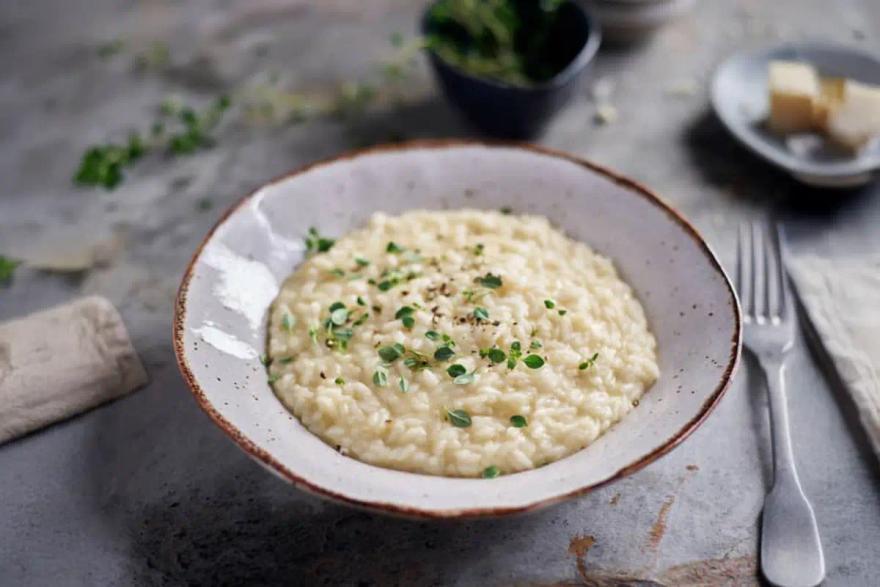
Top 10 Classic Risotto Variations
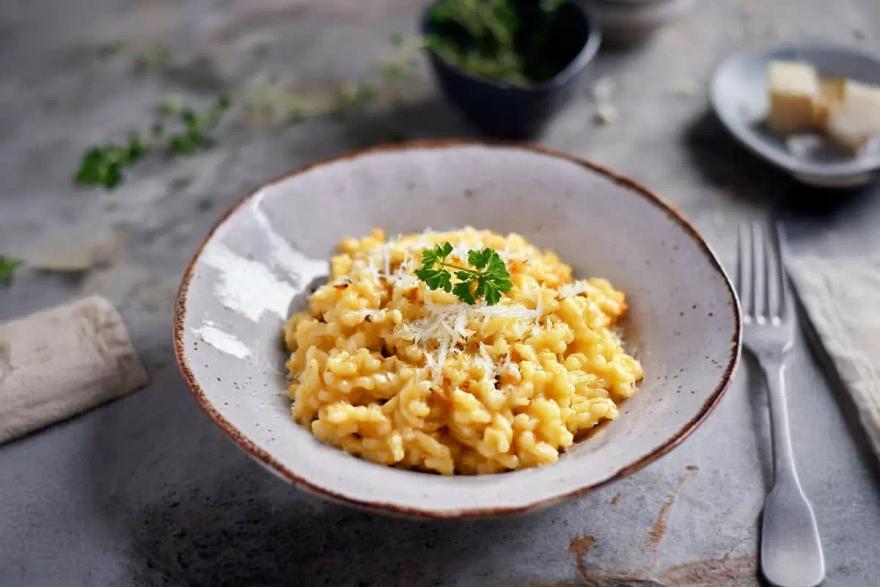
1. Risotto alla Milanese
The golden saffron risotto of Milan, dating back to the 16th century, when it was said to be created at the Duke of Milan's court to accompany ossobuco. Saffron gives it the color and a subtle aroma; butter and Parmigiano-Reggiano finish it.
Additional Ingredients:
- 0.5g saffron threads
- Bone marrow (optional, traditional)
Method Variations:
- Dissolve the saffron in warm stock
- Add it two-thirds of the way through cooking
- Finish with extra Parmigiano
Wine Pairing: Lugana or Verdicchio
2. Risotto ai Funghi Porcini
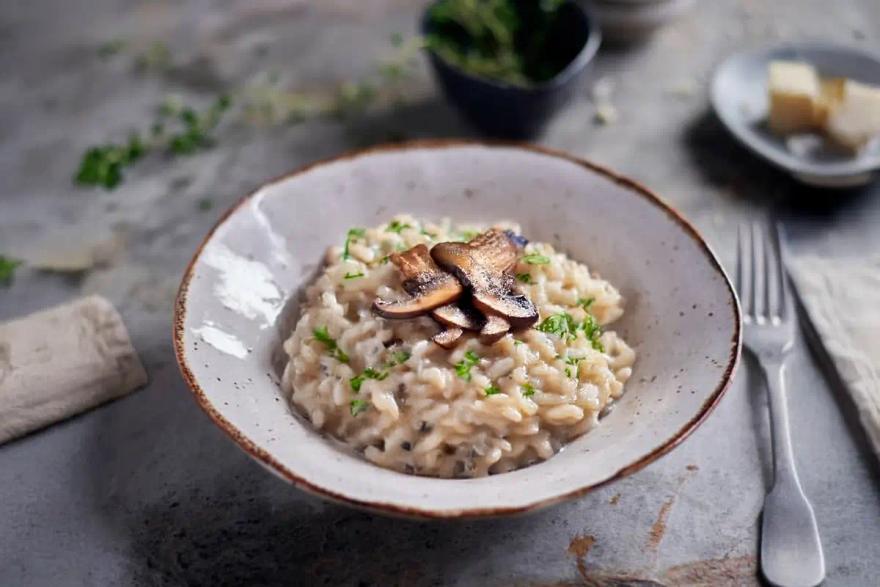
A Northern Italian classic built on porcini mushrooms, prized for their aroma and meaty texture. Use fresh porcini or rehydrated dried ones, and put the soaking liquid into the stock; it carries much of the flavor.
Additional Ingredients:
- 40g dried porcini (soaked)
- 200g fresh mushrooms
- Garlic clove
- Fresh thyme
- Truffle oil (optional)
Method Variations:
- Use the mushroom soaking liquid in the stock
- Sauté the fresh mushrooms separately
- Add them at different stages for texture
Wine Pairing: Barolo or Barbaresco
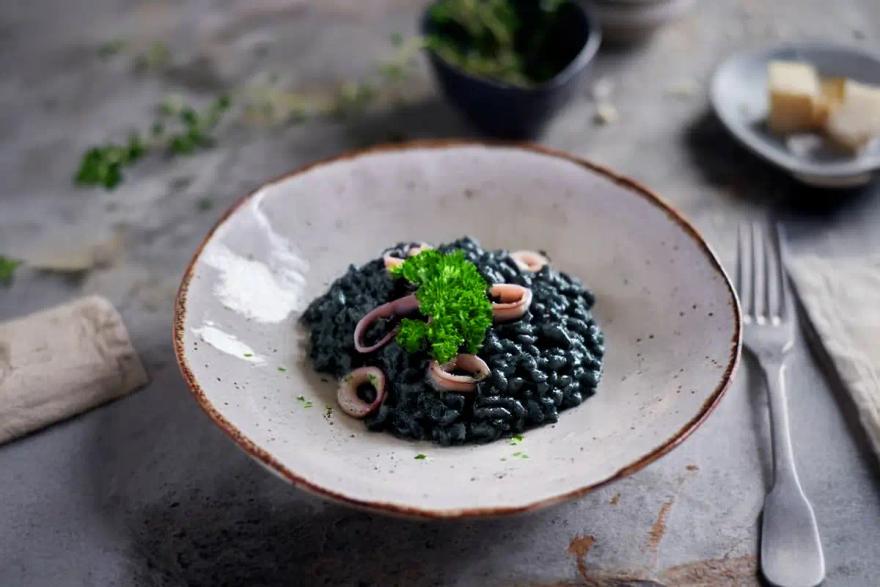
3. Risotto al Nero di Seppia
Venice's black risotto, colored and flavored with cuttlefish ink. The practice goes back centuries, when fishermen used every part of the catch, ink sacs included. It is briny and bold, and tradition says no cheese in a seafood risotto.
Additional Ingredients:
- 2 cuttlefish with ink sacs
- Garlic
- Fresh parsley
- 100g cherry tomatoes
Method Variations:
- Clean the cuttlefish and reserve the ink
- Add the ink in the final stages
- No cheese in seafood risotto
Wine Pairing: Soave or Verdicchio
4. Risotto agli Scampi
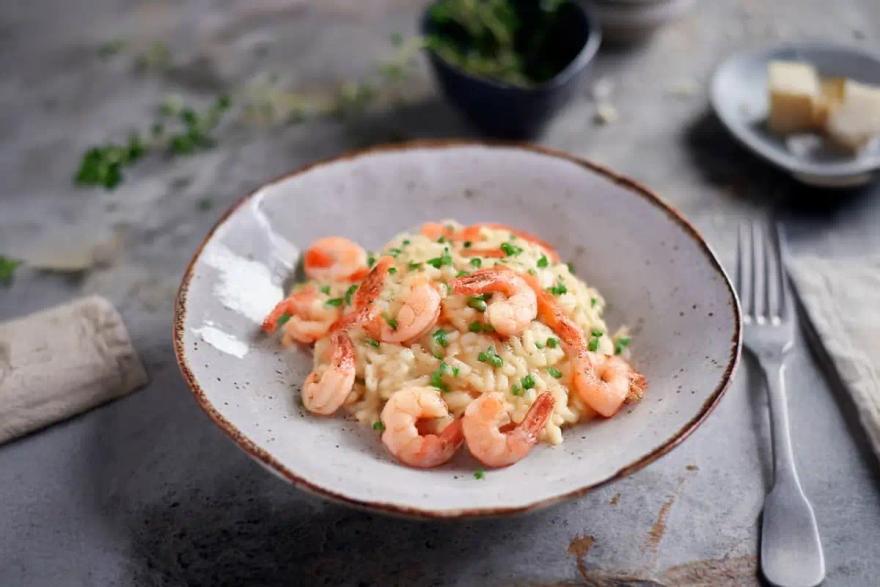
A coastal favorite built on langoustines. Make a quick stock from the shells, cook the langoustines separately, and add them at the last minute so they stay tender. Lemon and parsley brighten it at the end.
Additional Ingredients:
- 12 fresh langoustines
- Shellfish stock
- Cherry tomatoes
- Fresh basil
- Garlic
Method Variations:
- Make the stock from the shells
- Cook the langoustines separately
- Add them at the last minute to prevent overcooking
Wine Pairing: Vernaccia di San Gimignano
5. Risotto al Radicchio
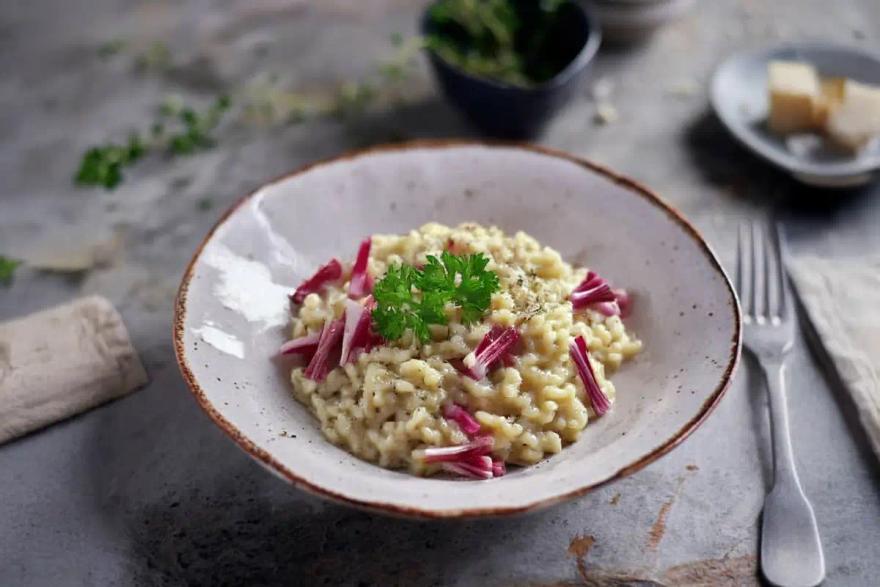
From the Veneto, where radicchio is a local staple. Its bitterness balances the rich rice, and red wine replaces the usual white for deglazing. Gorgonzola is an optional finish.
Additional Ingredients:
- 2 heads radicchio Trevisano
- Red wine instead of white
- Gorgonzola (optional)
Method Variations:
- Grill the radicchio first
- Use red wine for deglazing
- Add the radicchio in stages
Wine Pairing: Valpolicella Classico
6. Risotto alla Zucca
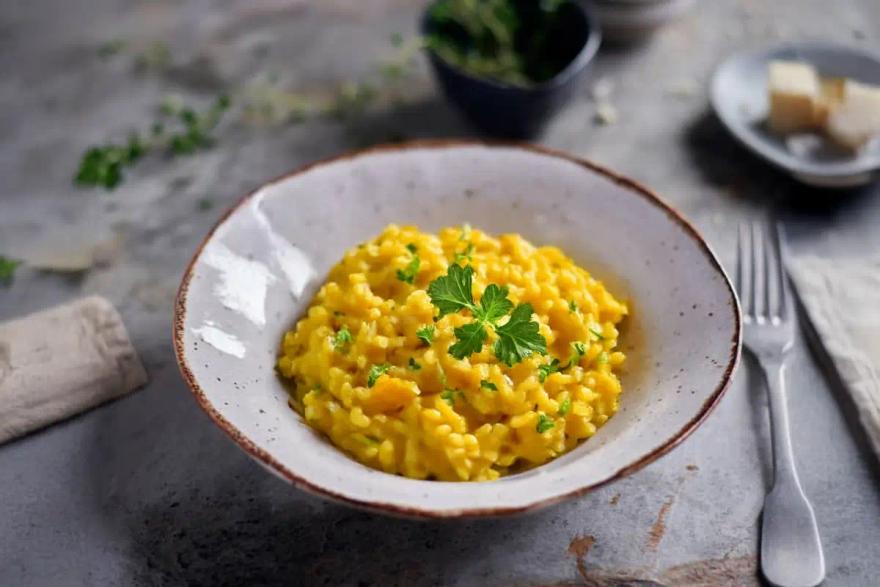
An autumn dish where diced pumpkin melts into the rice and sweetens it. Sage, nutmeg, and a little crushed amaretti are the traditional accents, and roasting the pumpkin first deepens the flavor.
Additional Ingredients:
- 400g pumpkin/butternut squash
- Sage leaves
- Nutmeg
- Amaretti cookies (crushed)
Method Variations:
- Roast the pumpkin first
- Incorporate it in two stages
- Crisp sage leaves for garnish
Wine Pairing: Fiano di Avellino
7. Risotto Primavera
A Northern Italian spring risotto full of fresh vegetables like peas, asparagus, and zucchini. Blanch them separately and fold them in during the last two minutes so they keep their bite and color.
Additional Ingredients:
- Fresh peas
- Asparagus tips
- Zucchini flowers
- Fresh herbs
Method Variations:
- Blanch the vegetables separately
- Add them in the final 2 minutes
- Finish with herb oil
Wine Pairing: Gavi di Gavi
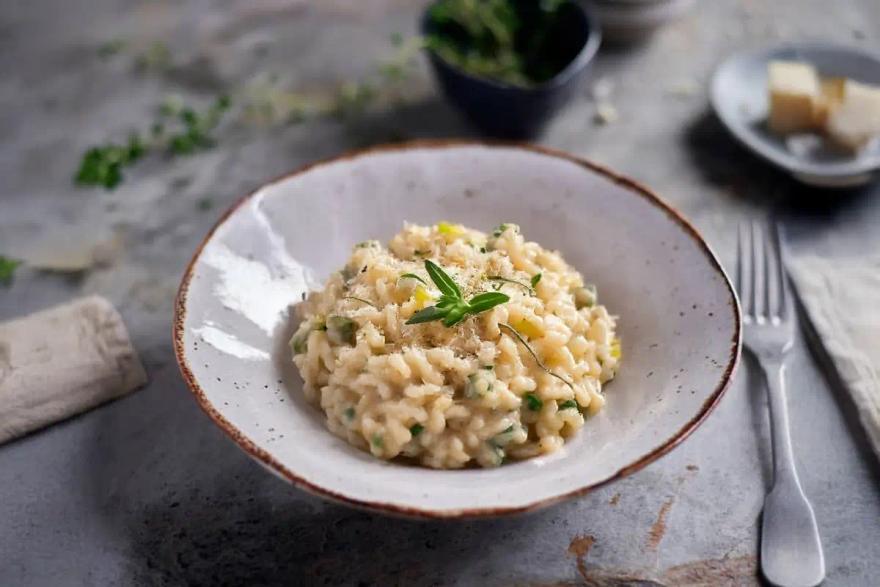
8. Risotto al Gorgonzola
A rich Lombardy risotto finished with Gorgonzola Dolce. Add the cheese in stages near the end, and top with toasted walnuts for crunch; a little pear works too.
Additional Ingredients:
- 150g Gorgonzola Dolce
- Walnuts
- Pear (optional)
- Black pepper
Method Variations:
- Add the cheese in stages
- Toast the walnuts separately
- Optional pear garnish
Wine Pairing: Moscato d'Asti
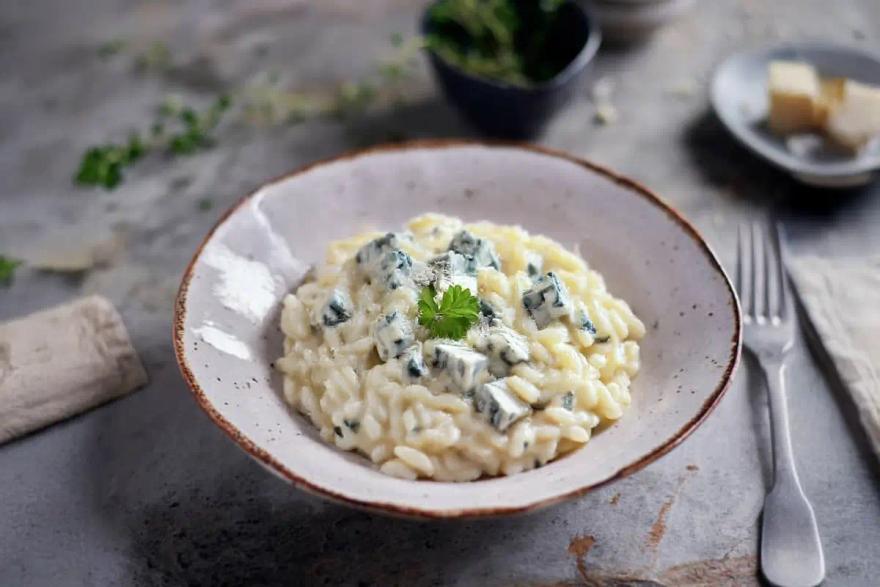
9. Risotto al Prosecco e Limone
A light risotto for warm weather. Prosecco replaces the usual wine, lemon zest and juice keep it fresh, and a spoon of mascarpone at the end rounds it out.
Additional Ingredients:
- Prosecco instead of wine
- Lemon zest
- Fresh herbs
- Mascarpone
Method Variations:
- Use Prosecco for deglazing
- Add the zest in two stages
- Finish with mascarpone
Wine Pairing: Prosecco Superiore
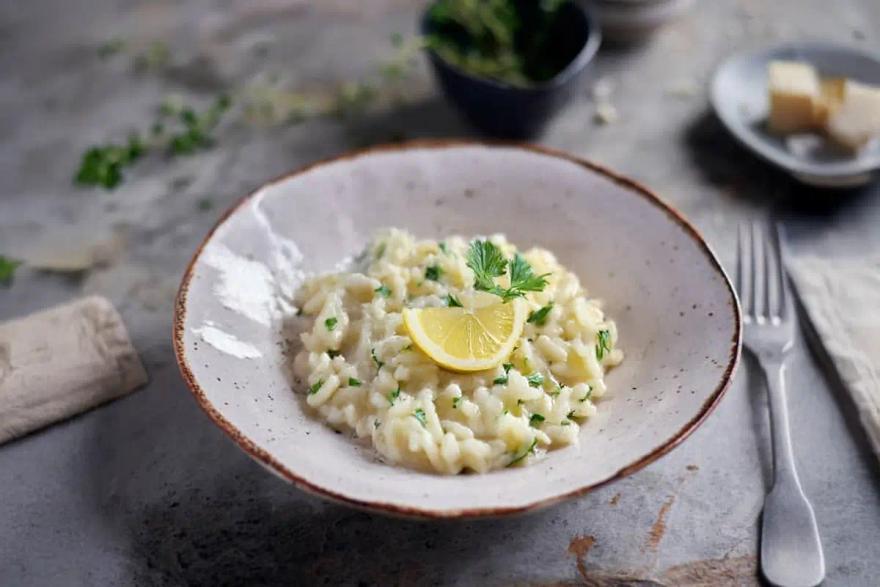
10. Risotto al Barolo
A Piedmont dish that cooks the rice with Barolo, one of Italy's most prestigious red wines. The tannins give it depth; bone marrow and extra aged Parmigiano make it richer still.
Additional Ingredients:
- Barolo wine
- Beef bone marrow
- Fresh thyme
- Extra aged Parmigiano
Method Variations:
- Reduce the Barolo separately
- Roast the marrow bones
- Add the wine in several stages
Wine Pairing: Barolo (same as cooking)
Professional Tips
Rice selection
- Carnaroli: highest starch, most forgiving
- Vialone Nano: traditional for seafood
- Arborio: widely available but needs careful timing
Stock temperature
- Keep it hot (90°C/194°F)
- Never add cold stock
- Match the stock to the risotto type
Common mistakes
- Rushing the process
- Wrong rice-to-liquid ratio
- Over-stirring
- Not toasting the rice
- Incorrect heat level
Equipment essentials
- Heavy-bottomed pot
- Wooden spoon
- Heated stock pot
- Warm serving plates
Start with the Milanese and work through the list; the base technique never changes, only the ingredients do.