
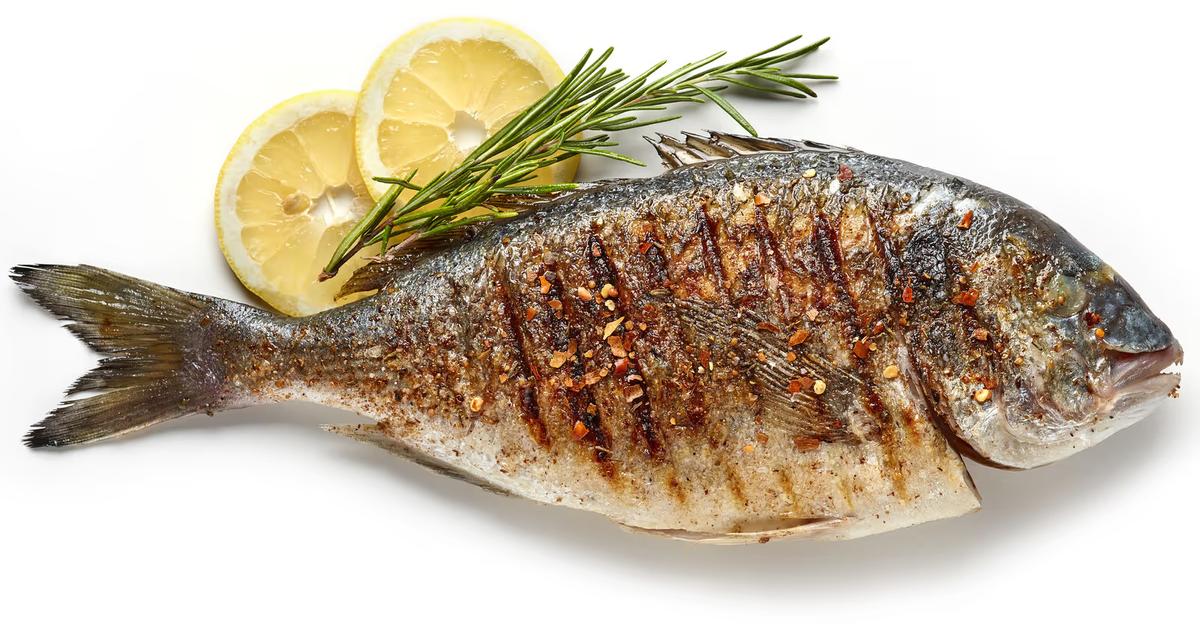
What you eat shapes how you age. These ten foods are consistently linked in research to lower disease risk and longer life. Here is what the studies say about each, plus a simple way to get more of it on your plate.
The Top 10 Foods for Longevity and Health
1. Legumes
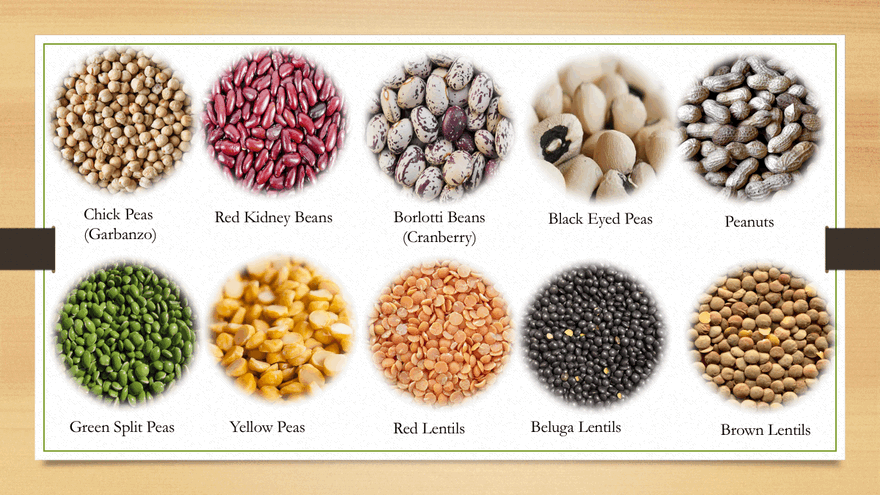
Beans, peas, lentils, and chickpeas are rich in fiber and plant-based protein, help stabilize blood sugar, and support a healthy gut. A study in the American Journal of Clinical Nutrition links higher legume intake to a lower risk of all-cause mortality.
2. Eggs
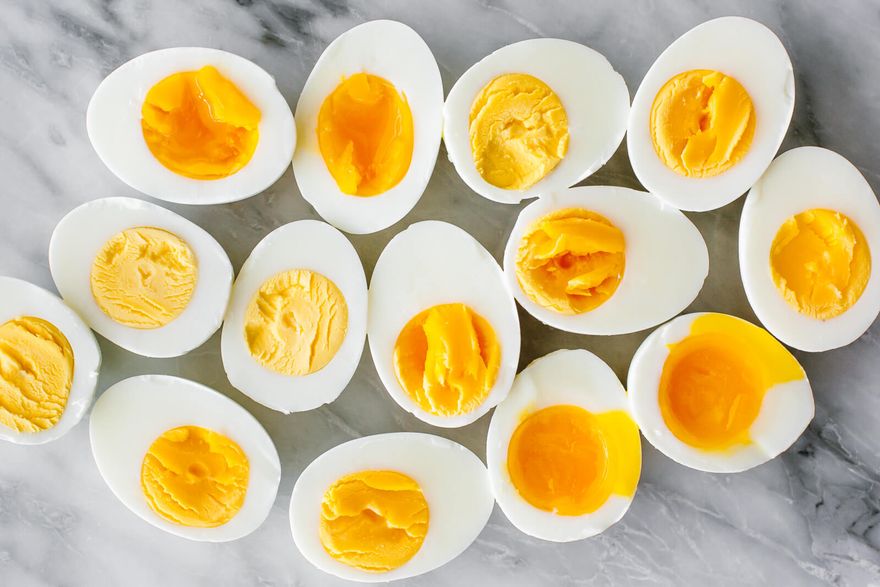
Once vilified for cholesterol, eggs are back. They are packed with essential nutrients and have been linked to a reduced risk of stroke. The British Medical Journal reported that moderate egg consumption is not associated with cardiovascular disease risk.
3. Leafy Greens
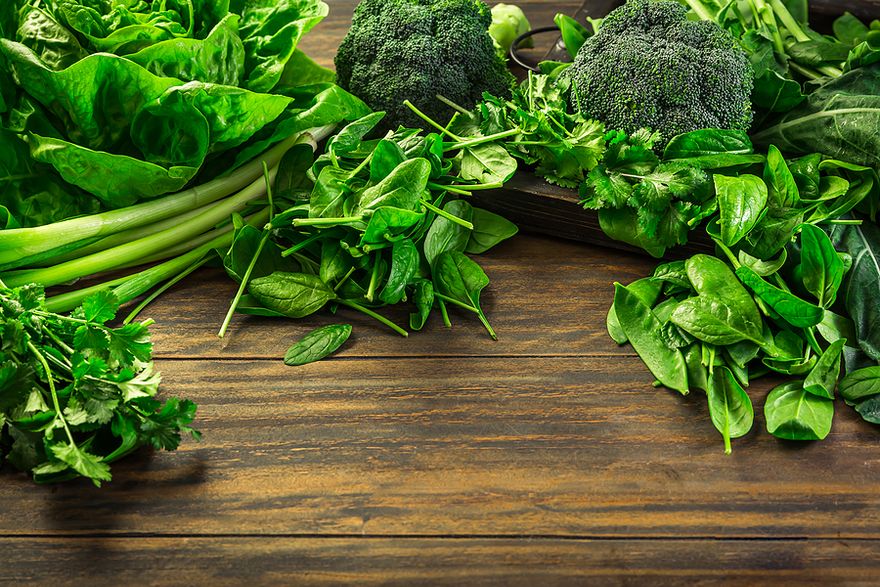
Spinach, kale, and Swiss chard are loaded with folate, carotenes, and other essential nutrients. Research in the Journal of Nutrition points to their role in maintaining cognitive health as we age.
4. Cruciferous Vegetables
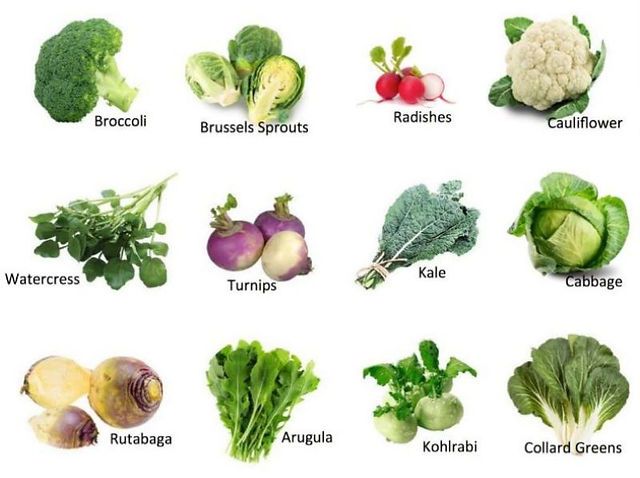
Broccoli, cauliflower, and Brussels sprouts support the body’s detoxification processes and healthy hormone levels. A study in the Annals of Oncology suggests they may reduce the risk of certain cancers.
5. Extra-Virgin Olive Oil (EVOO)
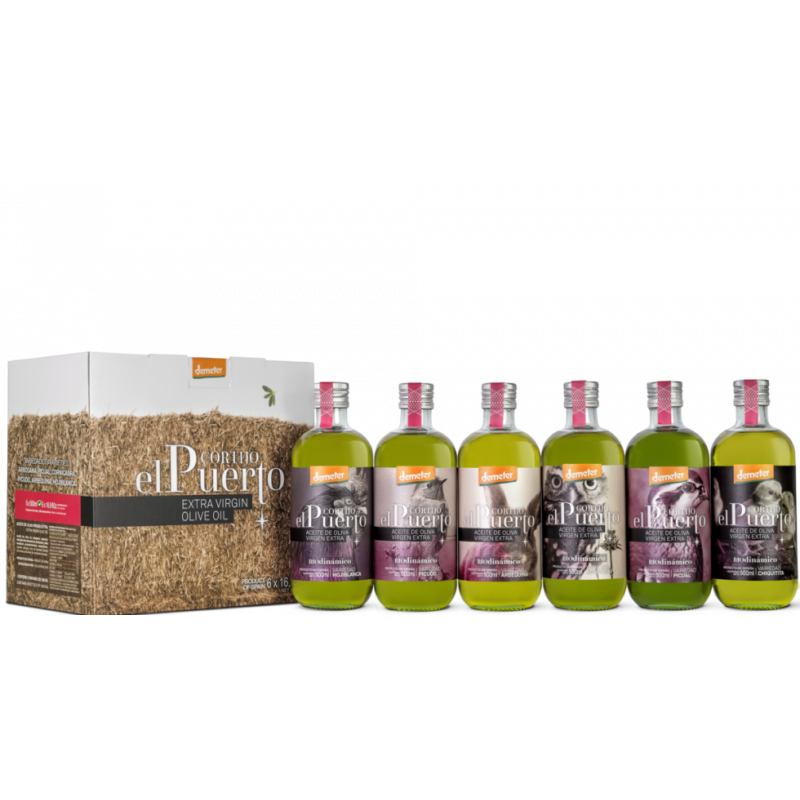
The backbone of the Mediterranean diet, EVOO is anti-inflammatory and good for the heart. The New England Journal of Medicine found that a Mediterranean diet supplemented with EVOO reduced the incidence of major cardiovascular events.
6. Fatty Fish
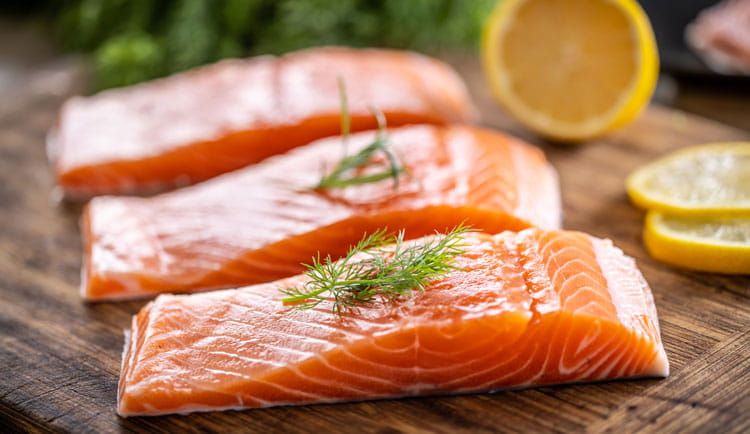
Salmon and mackerel are rich in omega-3 fatty acids, which matter for brain health. The American Journal of Clinical Nutrition reported that higher fish consumption is linked to lower rates of cognitive decline.
7. Sweet Potatoes
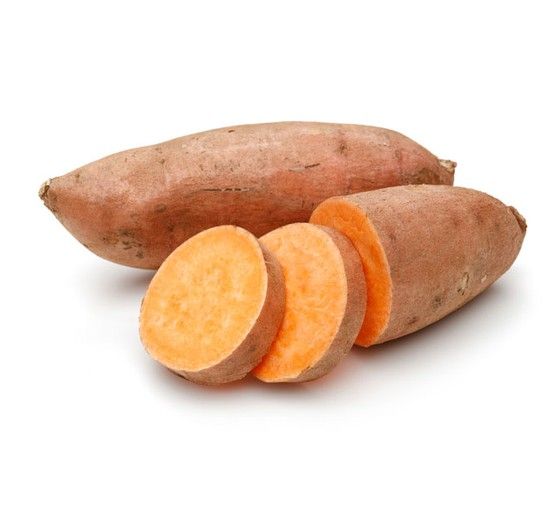
Sweet potatoes are rich in vitamin A and potassium. The Journal of Nutrition discusses their role in maintaining eye health and blood pressure.
8. Nuts
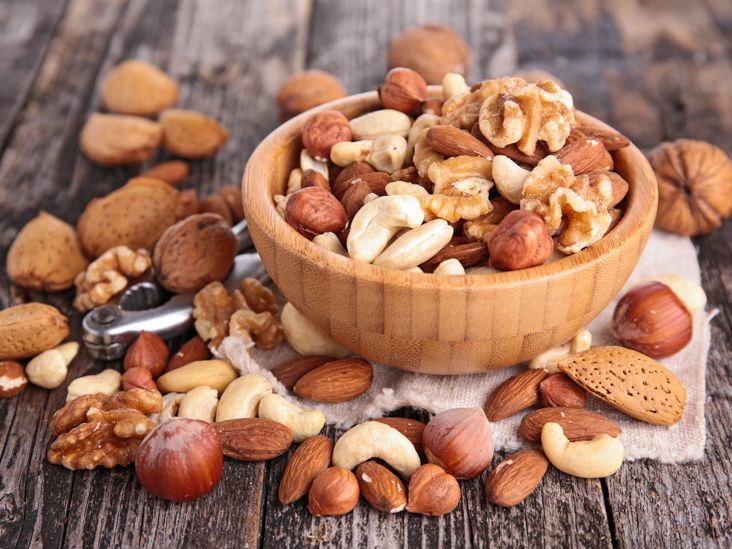
Nuts are nutrient-dense and support immune, metabolic, brain, and heart health. The New England Journal of Medicine found that nut consumption is inversely associated with total and cause-specific mortality.
9. Whole Grains
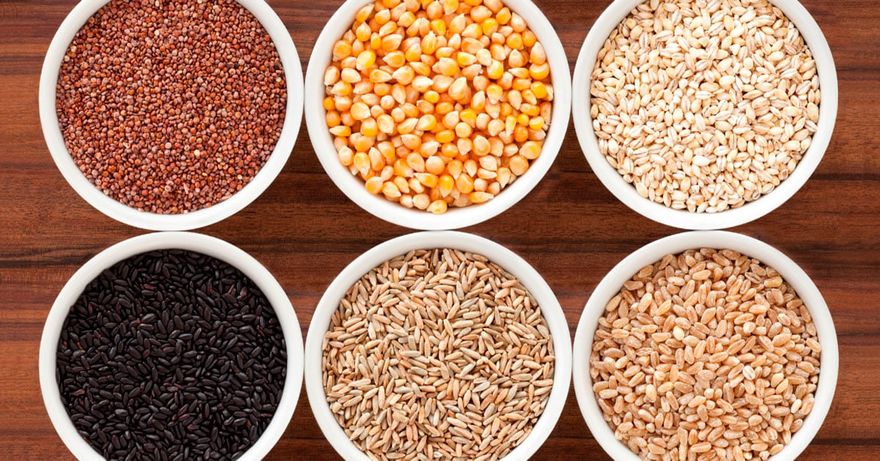
Whole grains are linked to a lower risk of heart disease, diabetes, and certain cancers. The American Heart Association counts them as a core part of a heart-healthy diet.
10. Berries
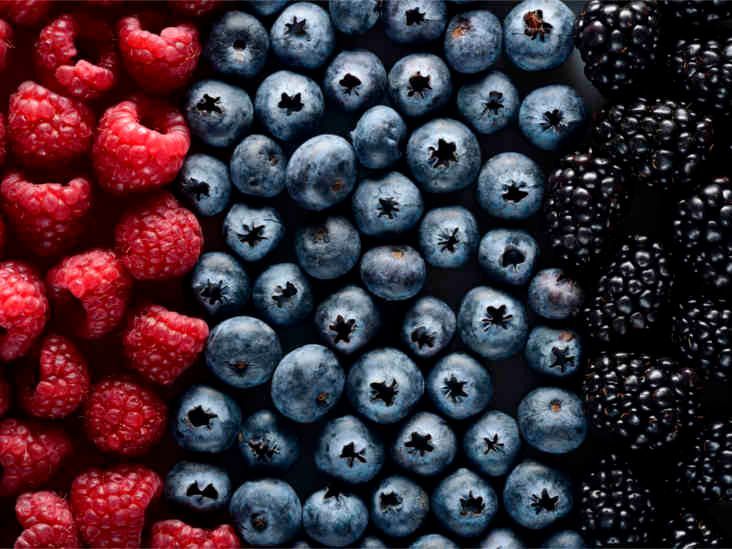
Berries are high in antioxidants and vitamins. According to the American Journal of Clinical Nutrition, berry consumption is associated with a reduced risk of heart disease, cancer, and other inflammatory conditions.
How to Fit Them into Your Diet
You do not need to overhaul everything at once. Start here:
1. Start with legumes. Add beans or lentils to soups, salads, or as a side dish.
2. Eggs for breakfast. Quick, filling, and nutritious.
3. Leafy greens everywhere. Use them in salads, smoothies, or as a cooked side.
4. Roast your crucifers. Roast or steam broccoli, cauliflower, or Brussels sprouts as a side for any meal.
5. Drizzle EVOO. Use it as a salad dressing or for light cooking.
6. Fatty fish twice a week. The simplest way to cover your omega-3s.
7. Sweet potato swap. Substitute regular potatoes with sweet potatoes.
8. Nuts as snacks. Keep a variety on hand for healthy fats and protein between meals.
9. Whole grains over refined. Choose whole grain options whenever you can.
10. Berries for dessert. Use them as a natural sweetener in desserts or eat them fresh.
No single food adds years on its own, but a plate built around these ten is a solid long-term bet for both health and lifespan.