

Why These Challenges Matter

Successful people in any field build systems, not goals, and the same applies to your health. These eating challenges are not quick fixes. They are 30-day experiments that rewire your relationship with food, and they focus on addition rather than subtraction: instead of dwelling on what you give up, you notice what you gain in clearer thinking, better energy, and improved sleep.
1. The 30-Day Sugar Detox Challenge

The average American consumes about 17 teaspoons of added sugar daily, 270 calories of pure nutritional nothingness. For 30 days, eliminate all added sugars: skip the obvious sodas and desserts, and check labels for hidden sugars in pasta sauces, bread, and salad dressings.
The first week is tough. Expect headaches, irritability, and intense cravings. By week two your energy stabilizes, and by the end of the month many participants report that naturally sweet foods like berries and carrots taste dramatically sweeter. The real win is permanently lowering your threshold for sweetness and breaking the dopamine-fueled cycle behind the afternoon candy fix.
2. The Whole Foods Reset Challenge
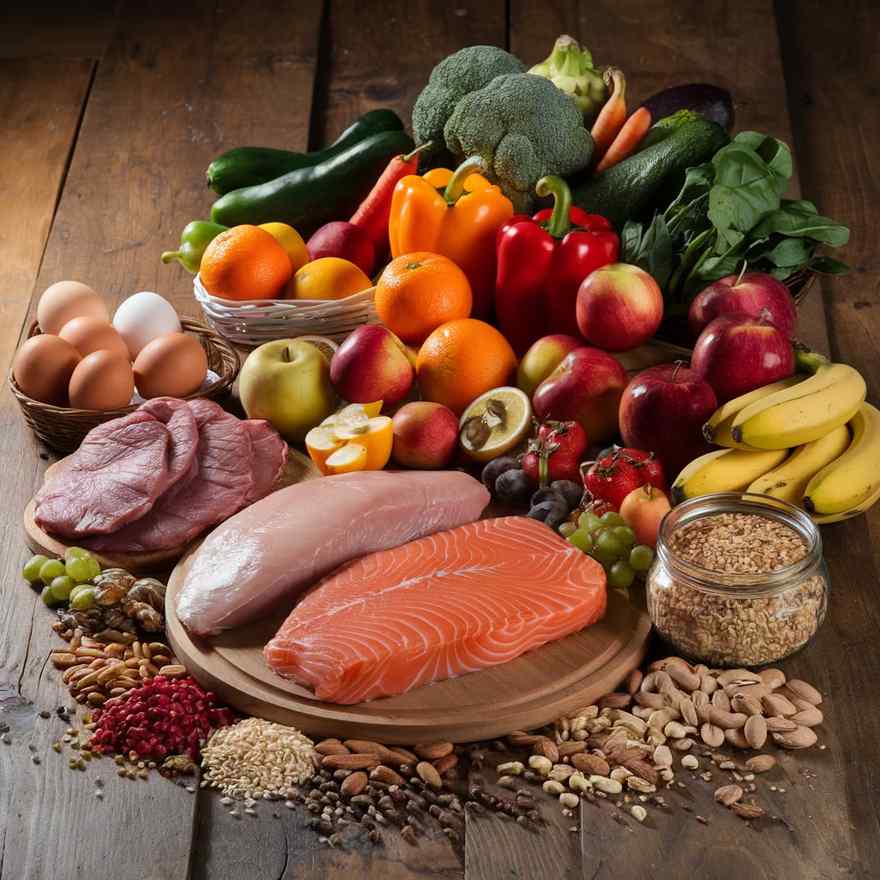
Processed food makes up nearly 60% of the average American diet. The rule here is simple: if it comes in a box with an ingredient list longer than your shopping receipt, do not eat it. For 30 days, eat only single-ingredient foods or dishes you prepare from them: vegetables, fruits, eggs, meat, fish, nuts, seeds, and whole grains. No macros to track, no food groups banned, just quality.
Most participants report reduced bloating within days, more consistent energy, better sleep, and improved digestion. The unexpected benefit: a toolkit of quick, simple recipes and a new appreciation for how good real food tastes without artificial flavor enhancers.
3. The Plant-Based Power Shift Challenge
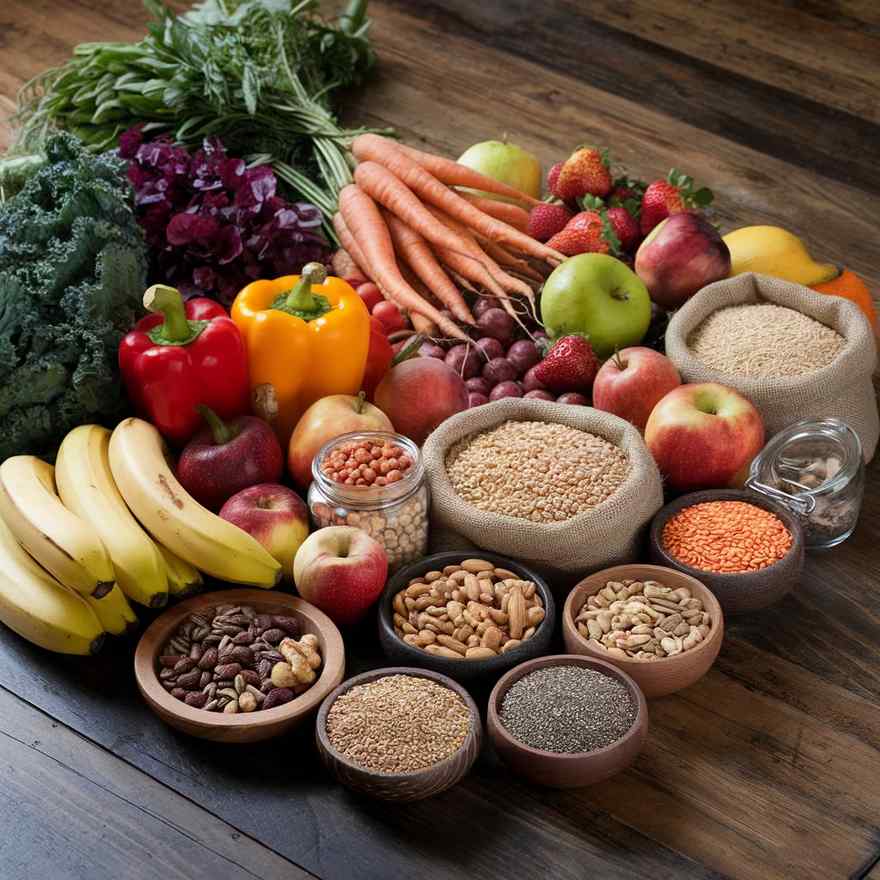
This is not about going vegan overnight. It is a 30-day experiment in making plants the star of your plate: build meals around vegetables, fruits, legumes, whole grains, nuts, and seeds, aim for at least 8-10 servings of produce daily, and let animal products play a minor supporting role or none at all.
The research on plant-predominant diets is compelling: reduced inflammation, lower cholesterol, better blood sugar control, and improved gut health. Participants often report clearer skin, reduced joint pain, and new creativity in the kitchen. The most valuable takeaway is learning to make vegetables delicious enough to crave, a skill that serves you whatever you eat long term.
4. The Balanced Plate Protocol Challenge
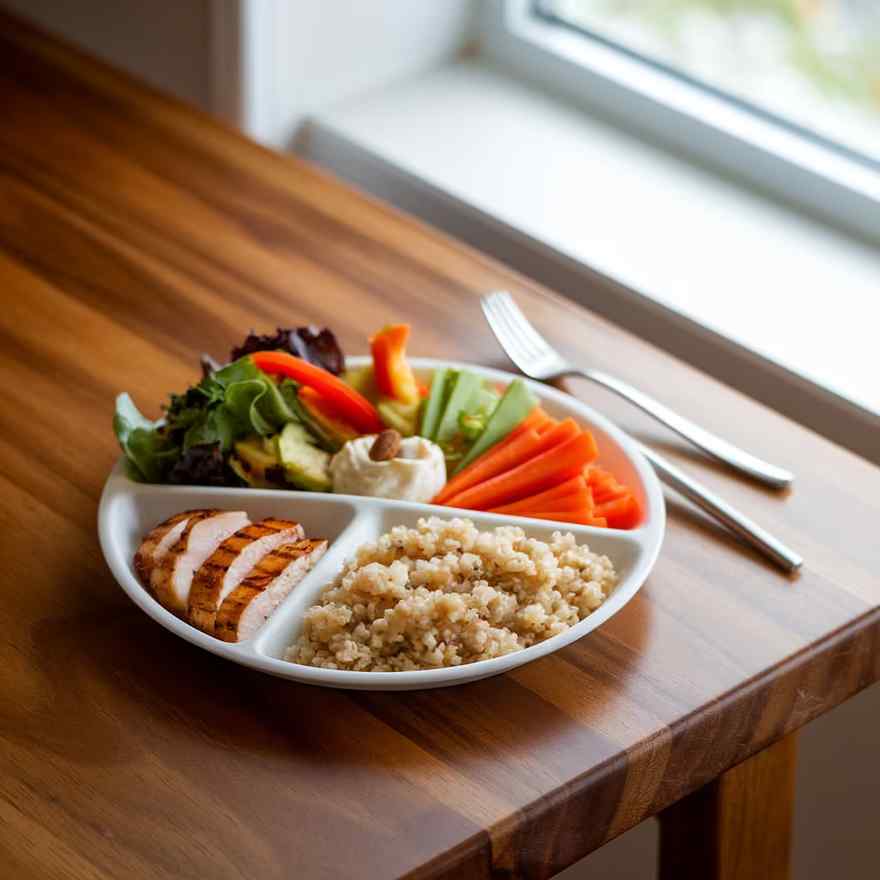
If macro tracking and restrictive diets have worn you out, this is relief. For 30 days, follow one rule: half your plate vegetables, a quarter protein, a quarter complex carbohydrates, plus a small serving of healthy fats. No calorie counting, and portions take care of themselves.
It works because it is sustainable and adaptable: at home, in a restaurant, or at a dinner party, you can map the template onto whatever is available. Participants report more consistent energy, better workout recovery, and freedom from the mental load of complicated nutrition rules.
5. The Processed Food Purge Challenge

Processed foods dominate our diets because they are engineered to be irresistible, convenient, and cheap. For 30 days, swim against that current: if it has ingredients you would not find in a home kitchen, artificial flavors, preservatives, or if it has been stripped of nutrients and then "enriched", it is out.
This is about reclaiming your taste preferences from food scientists. After a month without hyper-palatable foods, natural foods taste more complex and satisfying, and formerly irresistible snacks taste overwhelmingly artificial when reintroduced. Along the way you build meal planning and preparation skills, arguably the most important determinants of long-term dietary success.
6. The Mindful Portion Reset Challenge

Portion distortion is real: restaurant servings have grown by 138% since the 1970s, and home cooking has followed. This challenge is not about eating less; it is about discovering what your body actually needs.
For 30 days: eat from smaller plates (9-inch maximum), wait 20 minutes before taking seconds, eat without screens, chew thoroughly, and stop at 80% full. Slowing down lets your satiety hormones catch up with your eating pace (they take 15-20 minutes to register fullness). The lasting benefit is a finely tuned awareness of hunger and fullness cues, potentially ending years of eating on autopilot.
7. The Slow Eating Revolution Challenge

The average American spends just 11 minutes eating a meal. For 30 days, triple that: spend at least 30 minutes on each meal, put your utensils down between bites, chew each mouthful 15-30 times, and eliminate phones, computers, and television.
Properly chewed food means better nutrient absorption and less digestive distress, and research shows slow eaters consume significantly fewer calories without feeling deprived. The unexpected benefit: meals become islands of calm in your day. Many participants keep the habit long after the challenge ends, for the psychological benefits more than the nutritional ones.
8. The Hydration Transformation Challenge

Chronic dehydration affects an estimated 75% of Americans, and many mistake thirst for hunger. For 30 days, drink at least half your body weight in ounces of water daily (75 ounces for a 150-pound person), starting with 16 ounces immediately on waking, before any coffee or tea.
Use a marked water bottle and set hydration checkpoints: certain amounts finished by breakfast, lunch, and dinner beats trying to catch up in the evening. Benefits typically show up fast: fewer headaches, clearer skin, better digestion, and steadier energy. Many people find proper hydration naturally moderates their appetite, since what felt like hunger was actually thirst.
9. The Nutritional Rainbow Challenge
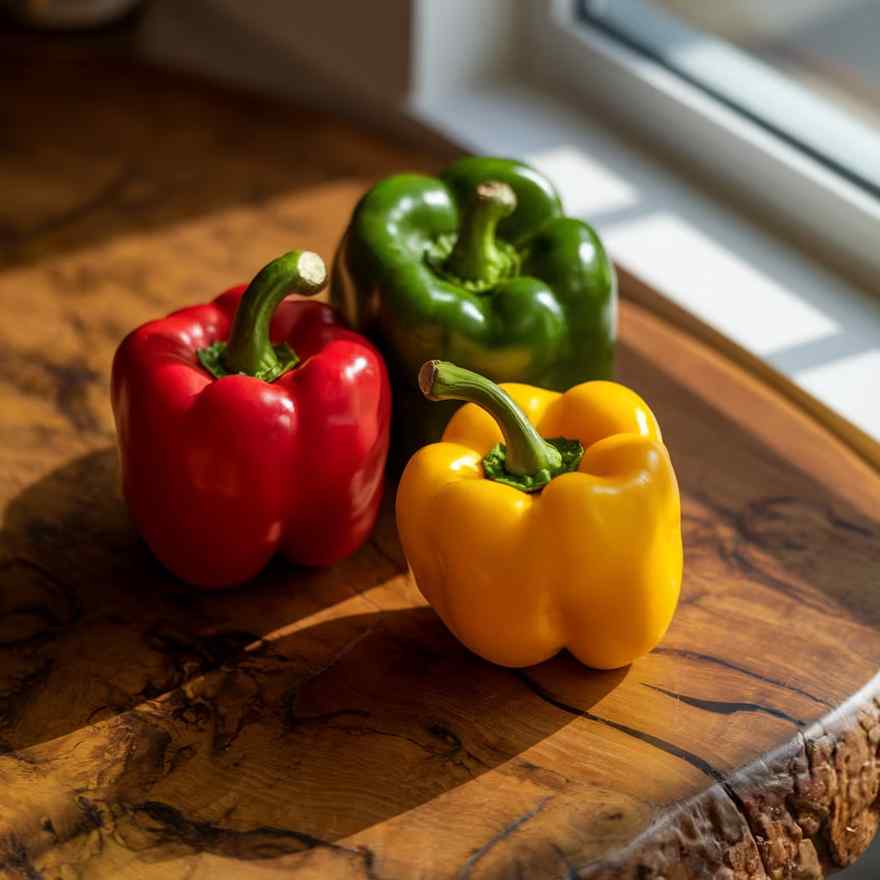
Our ancestors ate hundreds of different plant foods a year; most people today rotate through the same 12-15 foods each week. For 30 days, eat at least 30 different plant foods weekly and include every color of the rainbow daily. Track it with a simple checklist, counting varieties separately (red bell peppers and red cabbage are two items).
This naturally increases your intake of phytonutrients, compounds that reduce inflammation and oxidative stress, and it improves gut microbiome diversity, which research increasingly links to everything from immune function to mental health. You will also break out of your produce rut; many participants keep the extra variety long after the tracking ends.
10. The Sustainable Food System Challenge

This one shifts the focus from personal health to planetary health, since the two are inseparable. For 30 days, make food choices that minimize environmental impact: prioritize locally grown foods, choose organic when possible (especially for the "dirty dozen"), reduce animal products or switch to regeneratively raised options, minimize packaging waste, and cut food waste through planning and creative leftovers.
Beyond the environmental benefits, participants discover seasonal produce, connect with local farmers, and gain a deeper appreciation for where their food comes from. The planning and waste-reduction skills also save money long term, and eating stops being purely self-focused: it connects you to your community and the planet.
The 1% Improvement Approach: Where to Go From Here
The power of these challenges is not the 30-day sprint but what comes after. Treat them as structured experiments: collect personal data on how each approach affects your body, then keep the practices that gave the biggest results for the least effort. The goal is progress, not perfection, and the most sustainable approach is the one you will actually follow. Which challenge will you try first?