

Exercise and lifestyle changes matter for weight loss, but so does what you eat. Natural, nutrient-dense foods can support weight management by promoting satiety, boosting metabolism, and delivering essential nutrients. These are the ten Andrej The Chef reaches for.
1. Green Tea
Green tea is known for its antioxidants and potential to enhance metabolism. It contains catechins, particularly epigallocatechin gallate (EGCG), which may help increase fat oxidation.

- Incorporation: A cup of organic green tea in the morning or between meals. Brew it fresh rather than buying bottled.
- Tip: A squeeze of lemon improves flavor and nutrient absorption.
2. Apple Cider Vinegar
Apple cider vinegar (ACV) may promote a feeling of fullness and help control appetite. Its acetic acid content is believed to aid in reducing fat storage.
- Incorporation: Dilute one to two tablespoons of raw, unfiltered ACV in a glass of water and drink before meals.
- Tip: Use it as a salad dressing base with olive oil and herbs.
3. Chia Seeds
Chia seeds are high in fiber and omega-3 fatty acids, which can increase satiety and reduce overall calorie intake.
- Incorporation: Add them to smoothies, oatmeal, or yogurt, or soak them in almond milk overnight for chia pudding.
- Tip: Soak chia seeds before eating to make them easier to digest.
4. Leafy Greens
Spinach, kale, and Swiss chard are low in calories but rich in fiber, vitamins, and minerals. They add volume to meals without adding much.
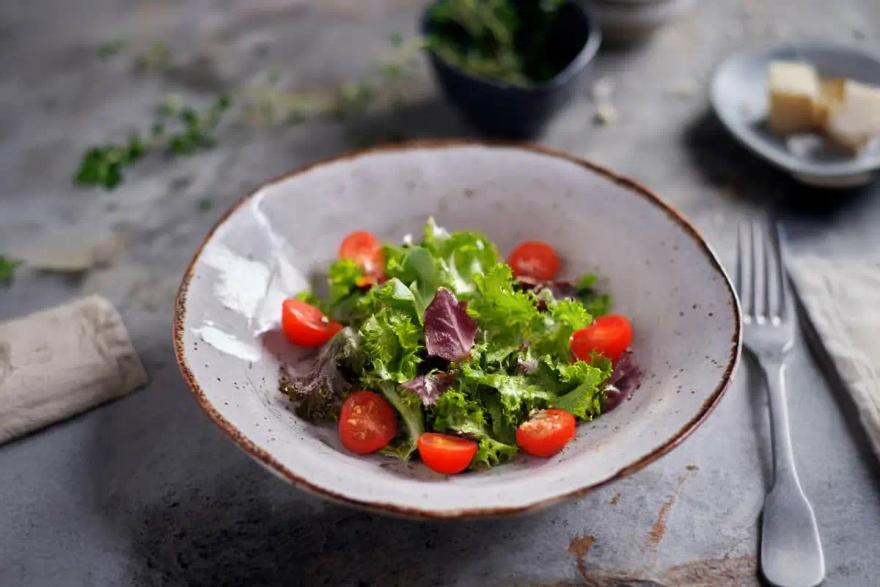
- Incorporation: In salads, in smoothies, or sautéed as a side.
- Tip: A handful of spinach in your morning smoothie adds nutrients without changing the taste much.
5. Cayenne Pepper
Cayenne contains capsaicin, a compound that may boost metabolism and promote fat burning by increasing body heat.
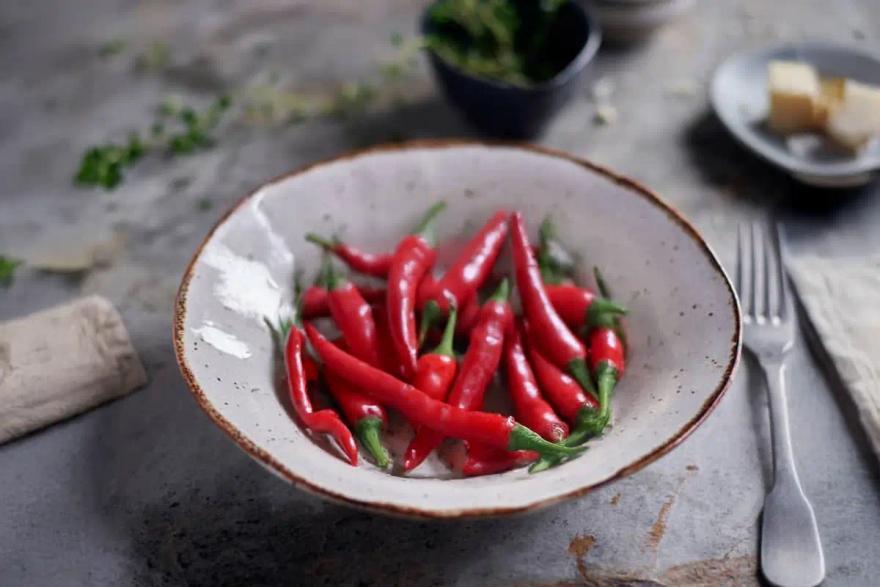
- Incorporation: Sprinkle it into soups, stews, or over roasted vegetables.
- Tip: Start small and work up to your heat tolerance.
6. Oatmeal
Oatmeal is a whole grain rich in soluble fiber, particularly beta-glucan, which can keep you full longer and stabilize blood sugar.
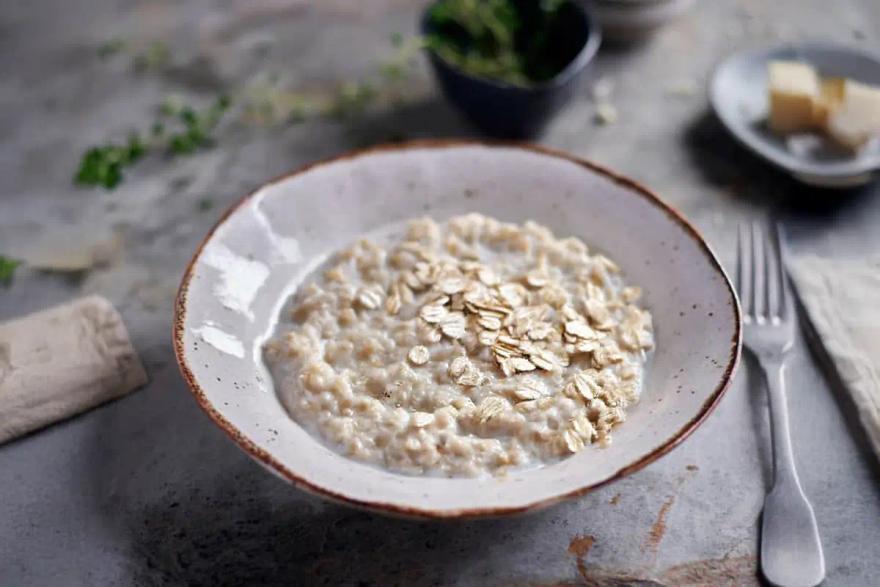
- Incorporation: A breakfast bowl topped with fresh fruit and nuts.
- Tip: Choose plain, whole rolled oats over flavored instant varieties to avoid added sugars.
7. Berries
Blueberries, strawberries, and raspberries are high in fiber and antioxidants while being relatively low in calories.
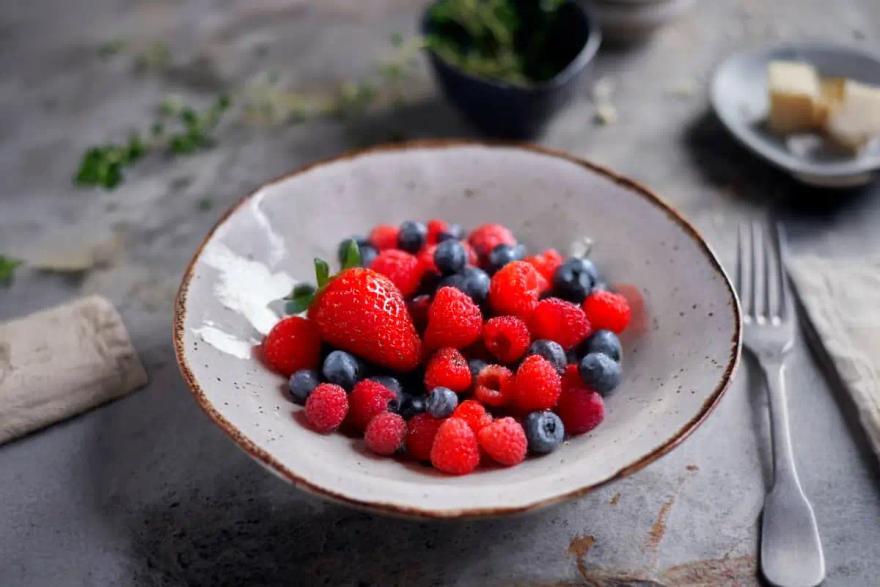
- Incorporation: Add them to cereal or yogurt, or snack on them straight.
- Tip: Frozen berries are convenient and keep most of their nutritional value.
8. Nuts
Almonds, walnuts, and pistachios provide healthy fats, protein, and fiber, which promote fullness and help prevent overeating.
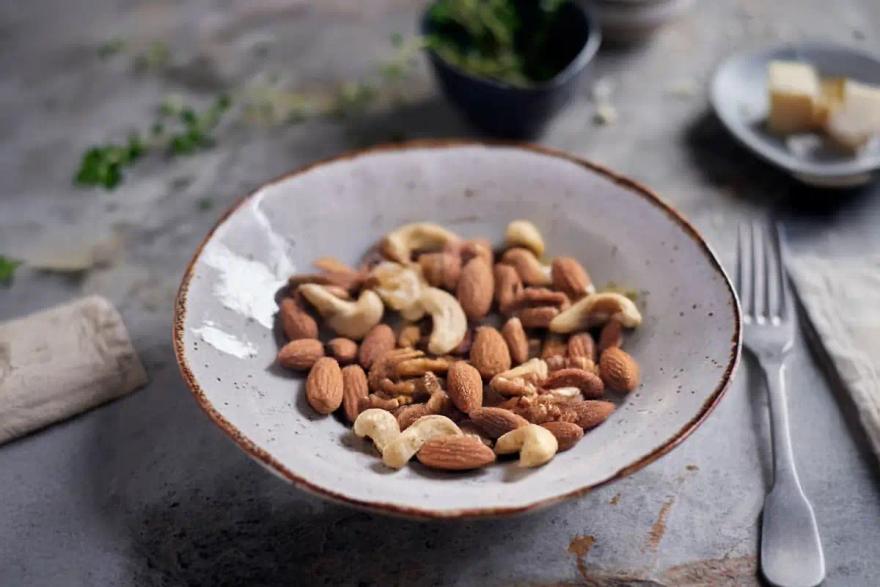
- Incorporation: A small handful as a snack, or scattered over salads and oatmeal.
- Tip: Go for raw or dry-roasted nuts without added salt or sugar.
9. Legumes
Lentils, chickpeas, and black beans are excellent sources of protein and fiber. They help regulate appetite and support digestive health.
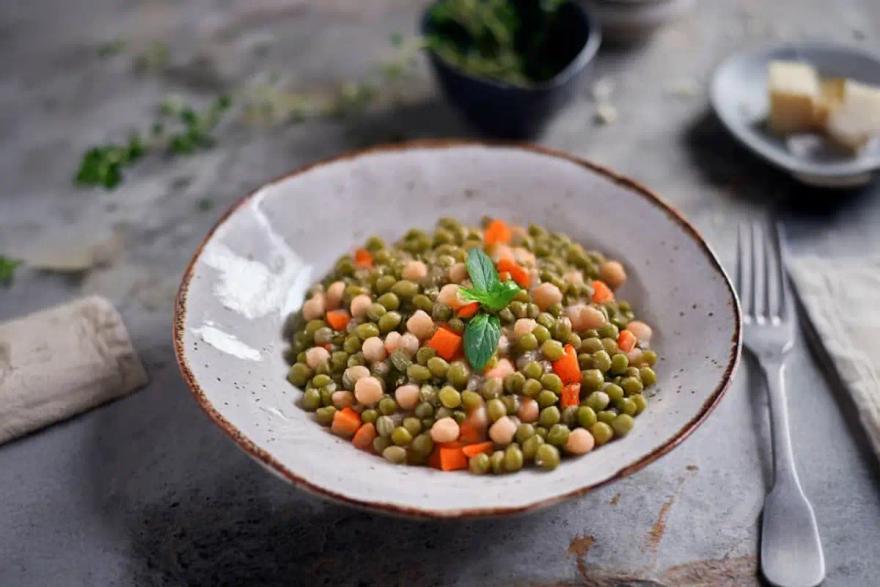
- Incorporation: In soups and salads, or as a meat alternative in dishes like veggie burgers.
- Tip: Rinse canned legumes to cut sodium, or cook from dried to control what goes in.
10. Water
Not a food, but staying hydrated is essential and can aid weight loss by promoting satiety and supporting metabolic processes.
- Incorporation: Drink water through the day, aiming for at least eight glasses.
- Tip: Start meals with a glass of water to help control portions.
Conclusion
These foods support weight loss by improving nutrition and keeping you full. Sustainable weight loss still comes down to balanced eating, regular activity, and healthy habits. Listen to your body, and consult a healthcare professional or registered dietitian for personalized guidance.