
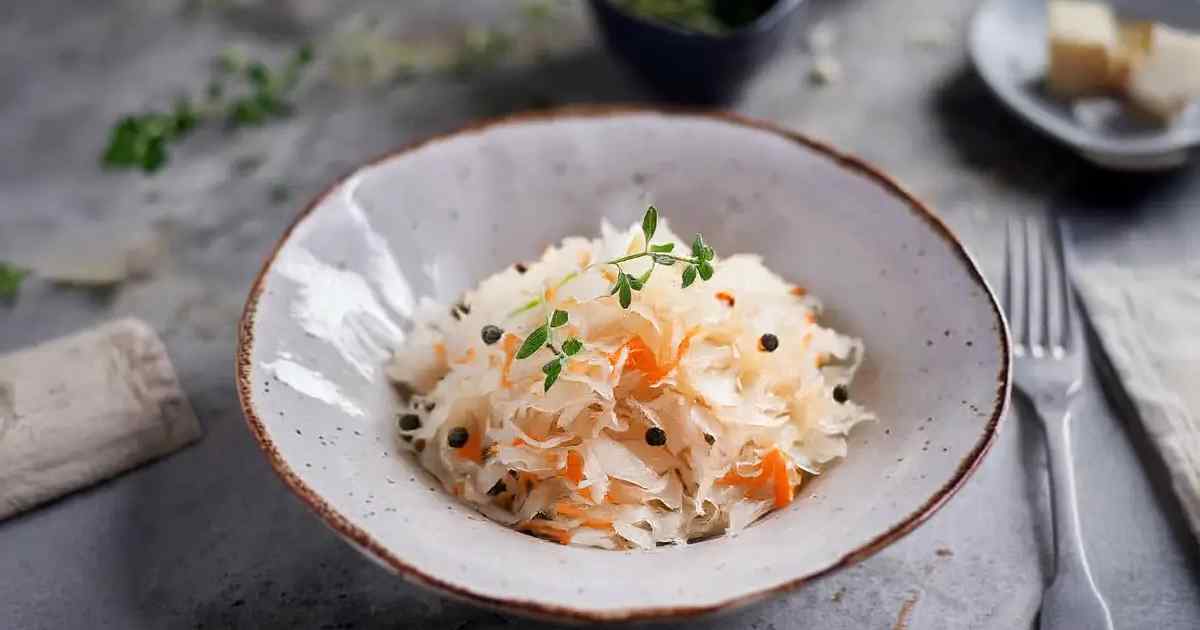
A healthy gut influences digestion, immunity, and even mental health. Probiotics are live microorganisms, mostly beneficial bacteria, that can help balance the gut microbiome, and eating probiotic-rich foods is a natural way to get them. Here are the ten best sources and why each one works.
1. Yogurt
The most accessible probiotic food. Yogurt is made by fermenting milk with live bacteria cultures, typically Lactobacillus and Bifidobacterium species, and can help improve digestion and restore gut flora balance.
- Benefits: aids lactose digestion, may reduce symptoms of irritable bowel syndrome (IBS), and supports immune function.
- Tip: choose plain, unsweetened yogurt with "live and active cultures" on the label.
2. Kefir
A fermented milk drink like yogurt but thinner, with a more diverse range of probiotic strains. It is made by adding kefir grains, a combination of bacteria and yeast, to milk.
- Benefits: contains up to 61 different microorganisms, can improve lactose digestion, and may have antibacterial properties.
- Tip: drink it straight, add it to smoothies, or use it as a base for salad dressings.
3. Sauerkraut
Finely shredded cabbage fermented by lactic acid bacteria. This traditional German dish is rich in probiotics and also provides fiber, vitamins C and K, and iron.
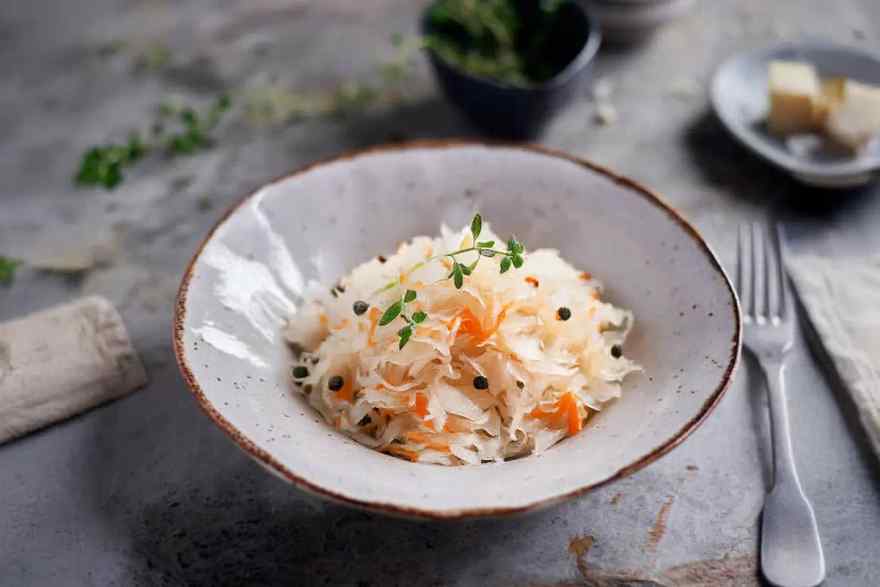
- Benefits: supports digestive health, boosts the immune system, and may reduce inflammation.
- Tip: buy unpasteurized sauerkraut from the refrigerated section. Pasteurization kills the beneficial bacteria.
4. Kimchi
A spicy Korean side of fermented vegetables, mainly napa cabbage and radishes, seasoned with garlic, ginger, chili peppers, and fish sauce.
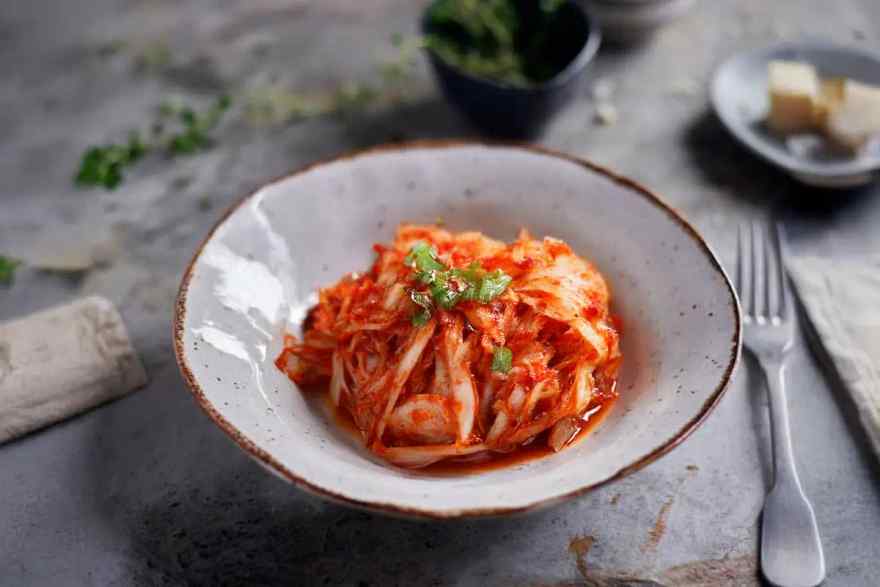
- Benefits: rich in Lactobacillus kimchii, supports gut health, and contains antioxidants that may help reduce inflammation.
- Tip: add it to rice dishes and sandwiches, or eat it as a side.
5. Kombucha
A fermented tea made by adding a symbiotic culture of bacteria and yeast (SCOBY) to sweetened black or green tea.
- Benefits: contains probiotics and antioxidants, may support digestion and liver health.
- Tip: drink it in moderation because of the sugar and calories, and pick brands with low added sugars.
6. Miso
A traditional Japanese seasoning made by fermenting soybeans with salt and a fungus called Aspergillus oryzae.
- Benefits: contains probiotics that can enhance gut health, plus essential minerals and vitamins.
- Tip: use miso paste in soups, marinades, or dressings, and never boil it. Boiling destroys the probiotics.
7. Tempeh
A fermented soybean product from Indonesia. Fermentation binds the soybeans into a firm, cake-like form.
- Benefits: provides probiotics, high-quality protein, and vitamins such as B12 in some varieties.
- Tip: use it as a meat substitute in stir-fries, sandwiches, or salads.
8. Pickles (Fermented Cucumbers)
Pickles fermented in a water and salt brine, not vinegar, develop beneficial bacteria during fermentation.
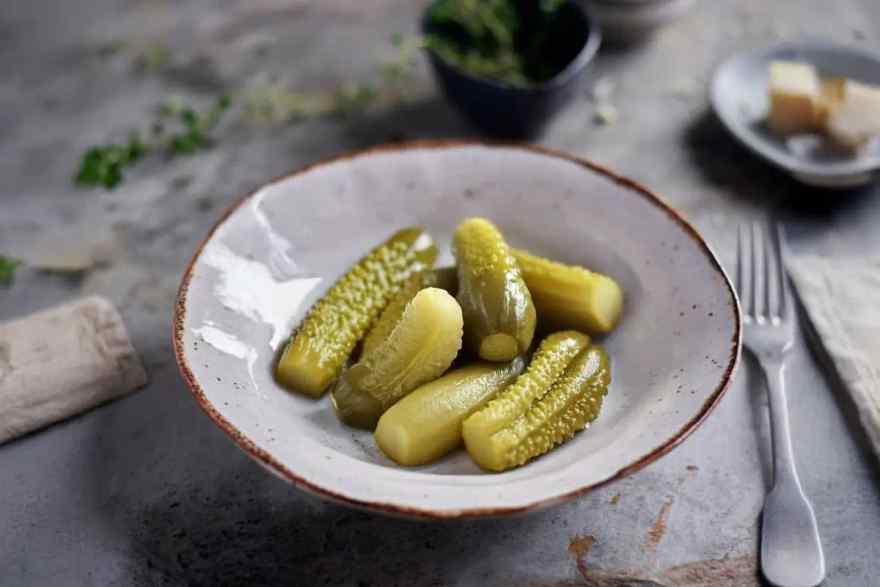
- Benefits: support digestive health and are low in calories.
- Tip: look for refrigerated pickles labeled naturally fermented or containing live cultures.
9. Traditional Buttermilk
The liquid left over from churning butter contains probiotics. It is different from the cultured buttermilk commonly found in stores.
- Benefits: supports gut health and provides calcium, phosphorus, and vitamin B12.
- Tip: use it in smoothies and baking, or drink it on its own.
10. Natto
A Japanese dish of fermented soybeans with a strong flavor and sticky texture. It contains the probiotic strain Bacillus subtilis.
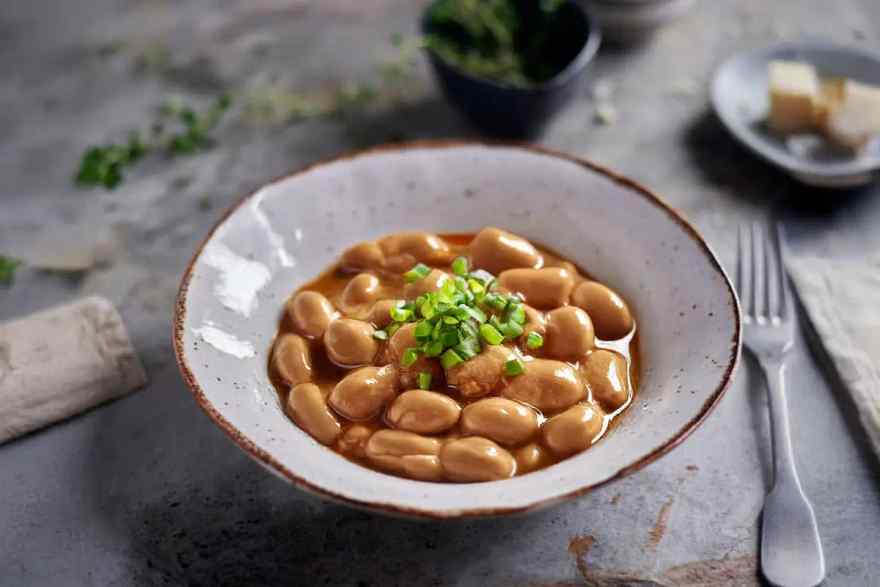
- Benefits: promotes digestive health, supports heart health through nattokinase (an enzyme), and is rich in protein and vitamin K2.
- Tip: eat it with rice, in salads, or in sushi.
Why Probiotic Foods Work
Probiotic foods introduce beneficial bacteria into the gut microbiome. These microorganisms help:
- Restore balance: they counteract harmful bacteria and restore a healthy gut flora.
- Enhance digestion: probiotics help break down food and improve nutrient absorption.
- Boost immunity: a large part of the immune system sits in the gut, where healthy bacteria stimulate immune responses and inhibit pathogens.
- Reduce inflammation: probiotics can help modulate inflammatory responses, potentially easing gastrointestinal discomfort and certain inflammatory conditions.
Conclusion
From yogurt and kefir to kimchi and natto, there is a probiotic food for every taste. Choose products with live and active cultures, and go organic and unpasteurized where possible. Introduce them gradually, and consult a healthcare professional if you have any health concerns.