

Executive Summary
This analysis looks at global food consumption across the five major food groups. Rice leads grain consumption at 78.4 kg per person annually, while potato dominates vegetable intake at 36.3 kg per person. The data also shows significant regional variations and emerging trends in worldwide dietary habits.
The Five Pillars of Global Nutrition
Want to know what the world really eats? Think of the five food groups as the building blocks of every meal you have ever eaten. Here is what is actually on our plates, group by group.
Breaking Down Each Group
Fruits and Vegetables: The Foundation
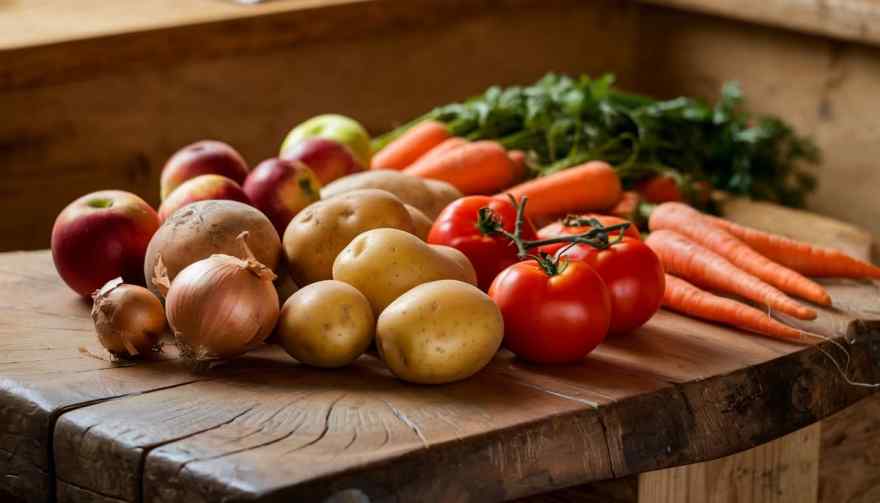
The numbers here might surprise you. While health experts keep telling us to eat more vegetables, the global average sits at just 186 grams daily. That is roughly one large potato and a couple of carrots, not the rainbow we are supposed to be eating.
Star players in this category:
- Potatoes: 36.3 kg per person yearly
- Tomatoes command significant market share
- Onions, carrots, and apples round out the top five
Grains: The Global Staples
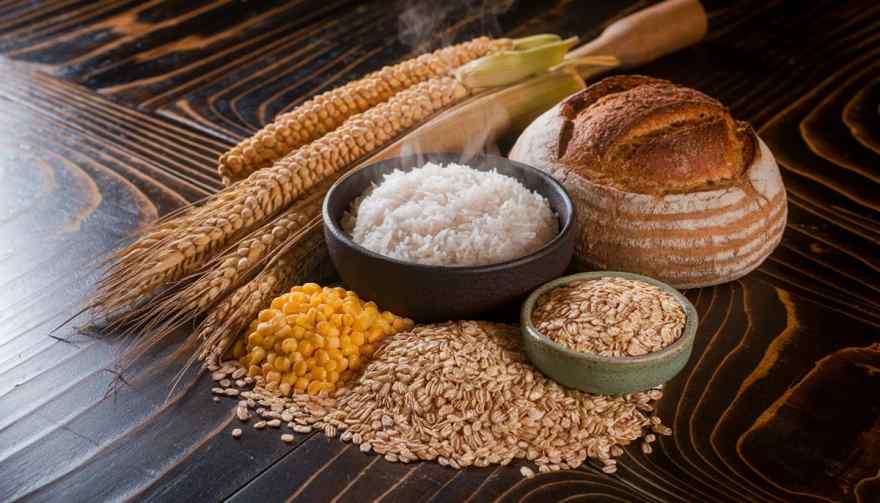
Rice is not just a side dish. It is the heavyweight champion of global food consumption:
- Rice: 78.4 kg per person yearly
- Wheat: 65 kg per person yearly
- Corn, oats, and barley following behind
Here is the kicker: some regions consume as little as 9.7 g of whole grains daily, while others pack in 159.7 g. That is a spoonful versus a plateful.
Protein: The Power Players
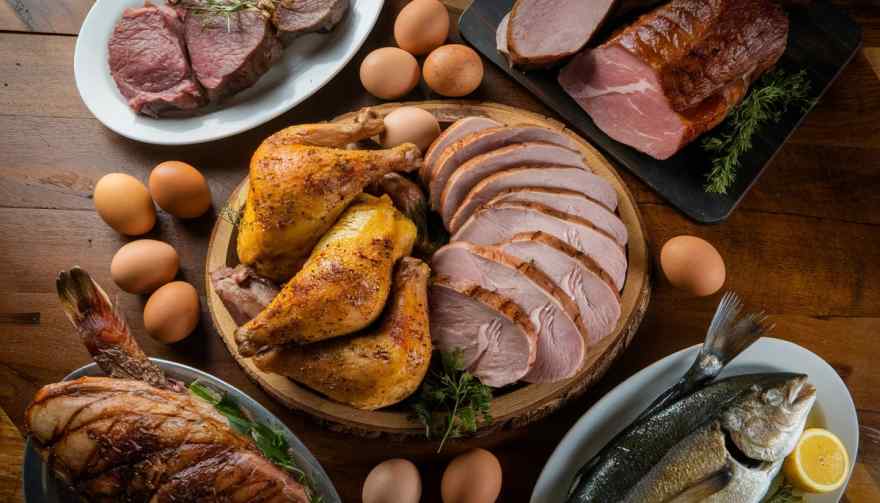
The protein game is surprisingly balanced at the top:
- Chicken: 15.6 kg per person yearly
- Pork: 15.6 kg per person yearly
- Beef, fish, and eggs complete the protein pantheon
Dairy: White Gold
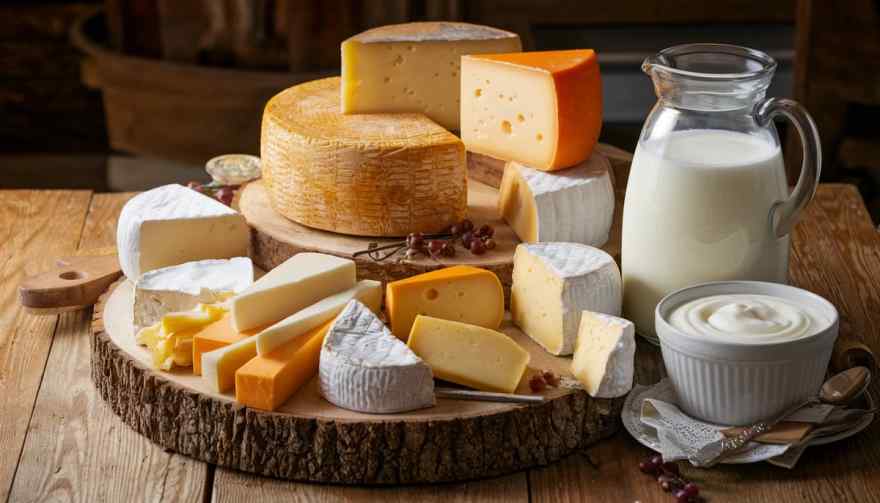
Milk leads this category by a country mile:
- 79.3 kg per person yearly
- Projected growth in developed countries from 23.6 kg to 25.2 kg by 2030
Fats and Oils: The Essential Extras

Specific global averages are harder to pin down here, but vegetable oils, nuts, seeds, and avocados dominate the category.
Regional Variations and Trends
This is where it gets really interesting. Your location dramatically shapes your plate:
- East Asia: 349 g of vegetables daily
- Central America: only 56 g of vegetables daily
- Sub-Saharan Africa: leads in whole grain consumption
- High-income Asia Pacific: lowest whole grain intake
Future Outlook
The data points to several emerging trends:
- Increasing dairy consumption in developed nations
- Growing preference for plant-based proteins
- Rising demand for whole grains in certain regions
Key Takeaways
- Global food consumption patterns vary dramatically by region
- Rice remains the world’s most consumed grain
- Vegetable consumption falls short of recommended amounts globally
- Dairy consumption is projected to grow in developed countries
- Mixed dishes are becoming increasingly important in Western diets
Conclusion
Traditional staples like rice and potatoes still dominate, but the trends point toward more varied and potentially healthier eating patterns. We all need the same basic food groups; how we get them varies enormously by region. Understanding those patterns matters for addressing global nutrition challenges and planning a sustainable food future.